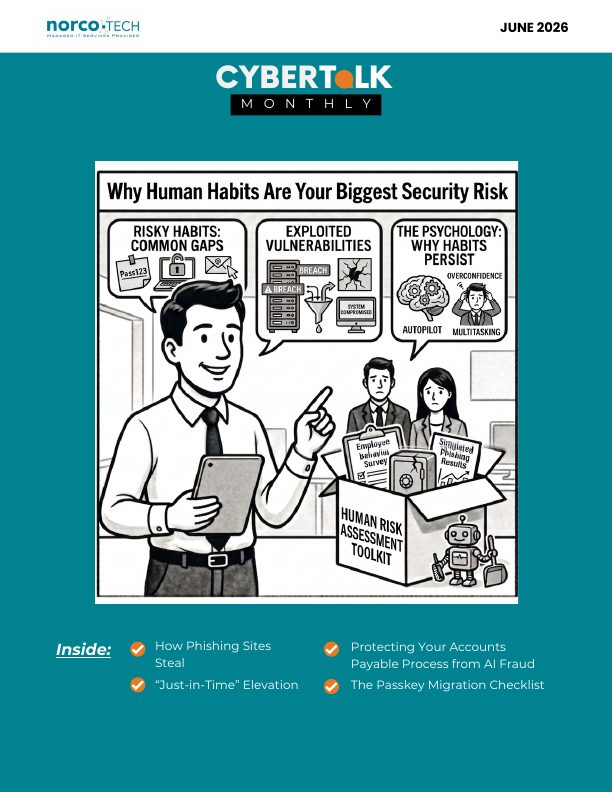
A monthly update from Norcotech
It's a common misconception that cyberattacks require sophisticated hacks. In reality, 68% of data breaches involve the human element.
Most risks come from ordinary routines, like checking personal email on a work laptop or reusing passwords. When personal and professional digital lives overlap, a single click in a personal inbox can expose your entire business network. These habits aren't reckless; they're just people trying to work efficiently.
The most effective strategy is to create guardrails that make secure behavior the path of least resistance. Separate work and personal browser profiles and turn on multi-factor authentication, which makes accounts 99% less likely to be compromised.
We help businesses find habit-driven risks and secure their workspaces without slowing anyone down. Contact us at contact@norcotech.com.
Until then, stay safe.
The Norcotech Team
Why human habits are your biggest security risk
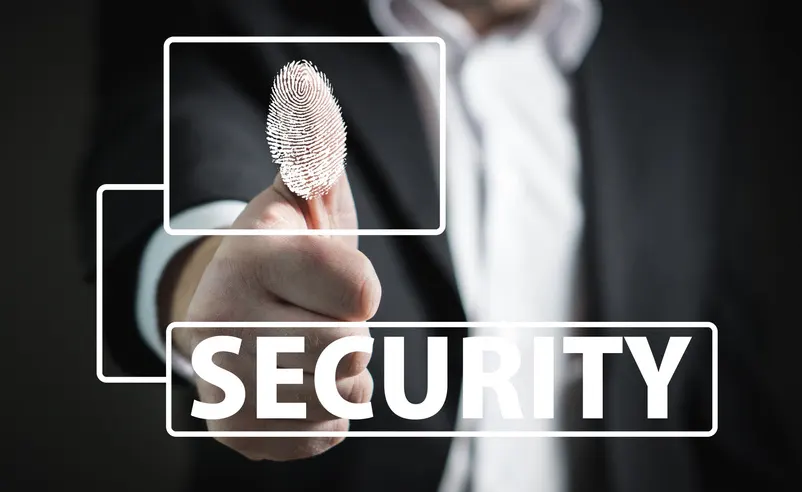
Most attacks don't start with a sophisticated intrusion. They start with a click on a personal email, a reused password or a file uploaded to a familiar cloud service because the approved option felt slower. The Verizon Data Breach Investigations Report found that 68% of breaches involve the human element.
How personal habits create business exposure
Personal inboxes, messaging apps and social feeds are phishing's favorite territory: harder to filter, easier to spoof and full of emotional triggers. When they share a device or browser with business systems, one click crosses the boundary. And when a reused personal password leaks, attackers automatically try it on business systems.
Why blocking behavior doesn't work
Blanket restrictions rarely stop the behavior. They relocate it to personal devices, where IT loses visibility. The goal is managing the overlap without breaking how people work.
What actually reduces risk
- Separate contexts, not people: separate browser profiles and clear guidance on where business accounts are used.
- Design for credential failure: assume passwords will leak. CISA reports MFA makes accounts 99% less likely to be compromised.
- Make secure behavior easier than unsafe behavior.
Adversary-in-the-middle attacks: how phishing sites steal your active login
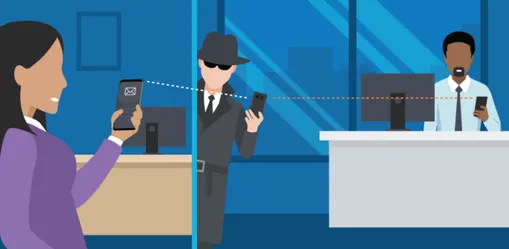
You click a link, sign in, approve the MFA prompt and get on with your day, unaware that someone else just logged into your account at the same moment. That's an adversary-in-the-middle (AiTM) attack.
How AiTM attacks work
An AiTM phishing site is a live reverse proxy sitting between you and the real service. The page behaves exactly like the real one, with working MFA. Often the only clue is a slightly altered web address.
Why the session cookie matters
Session tokens act as bearer credentials: whoever holds one can use the account without a password or MFA. The attacker imports the stolen cookie and picks up right where you left off.
What happens next
Because the attacker is inside a legitimate session, there are no failed sign-ins to raise alarms. Proofpoint research shows attackers commonly create hidden inbox rules, register extra MFA methods, watch for financial conversations and phish colleagues from the trusted account.
Stop protecting just the login screen. Contact us to review your identity security controls.
How "just-in-time" elevation gives your team the system controls they need

Local administrator rights are handed out far more often than they should be, usually for convenience. The result is machines that drift from baseline, infections that spread before they're caught and unplanned support tickets.
But I need to install things
Standard accounts handle normal application use, browsing, printing and file access. For the occasional task that needs more, just-in-time (JIT) elevation grants temporary admin access for a defined task. It's approved by policy or by IT and expires automatically.
Every elevation request is logged, and the pattern of requests shows which tasks genuinely need escalation. The friction people expect is usually larger than what they actually experience.
Protecting accounts payable from AI fraud
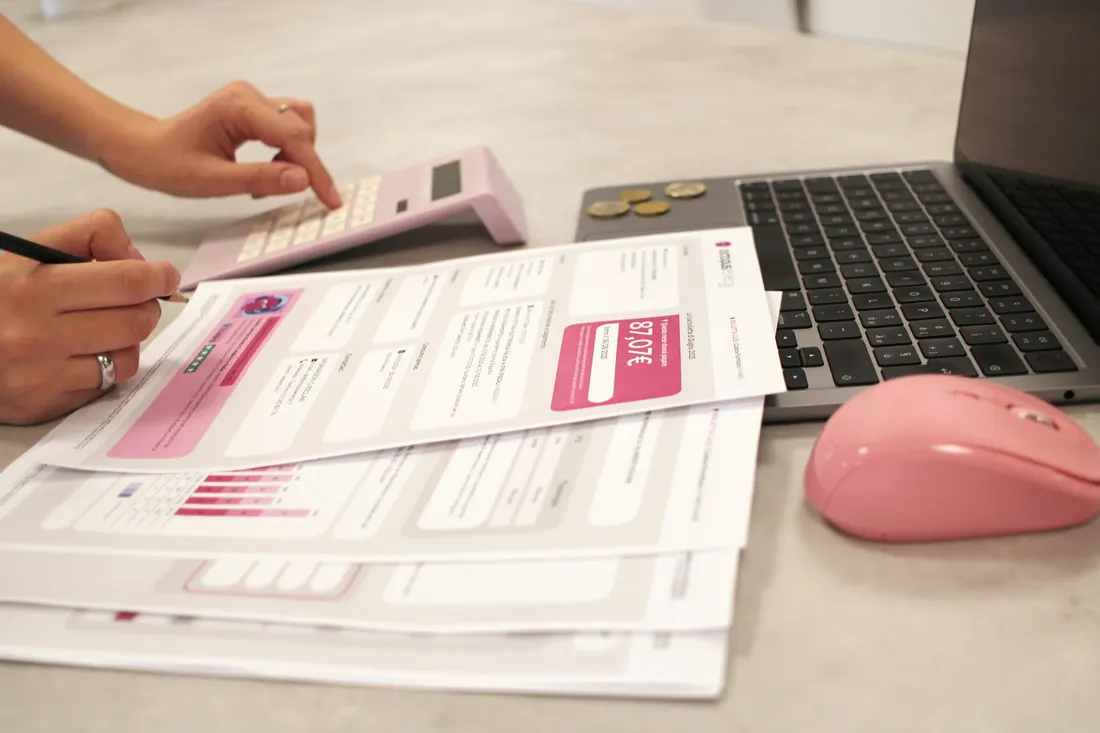
- Use out-of-band verification: confirm bank detail changes and urgent payments through a separate, independent channel.
- Don't rely on "the look": a convincing appearance is no longer proof of a legitimate request.
- Be wary of voice cloning: require secondary verification for any verbal payment approval.
- Standardize verification habits so staff feel safe pausing high-risk actions.
- Use layered access controls: enforce MFA and restrict access to financial systems.
The passkey migration checklist

Going passwordless doesn't have to happen overnight:
- Audit platform support: find which tools already support passkeys.
- Prioritize high-risk users: start with administrators and power users.
- Run a parallel phase: allow passkeys on enrolled devices, with passwords as a fallback.
- Bridge gaps with a password manager for tools that don't support passkeys yet.
- Set recovery and sync rules so users understand how passkeys sync (for example, iCloud Keychain or Google Password Manager).
Don't play security roulette
When was the last time your company completed security testing or awareness training? Data breaches are a part of life now, and skipping vulnerability assessments is like playing Russian roulette with your data. A Norcotech cybersecurity package protects your business without the time and expense of managing it all yourself.
Learn more about security assessments: email contact@norcotech.com or call (301) 519-0557.
Technology trivia and fun
- Which computer company CEO started his multi-billion-dollar business in his college dorm room?
- True or false: in computing, keyboards are used as input devices.
- Which US government department was a major early funder of artificial intelligence research?
The first person to email cybertalk@norcotech.com with the correct answers won a $10 Amazon gift card. May answers: 1. Zip file 2. IMDb 3. Wired.
Did you know? Domain name registration was free until 1995, when Network Solutions was granted the right to charge for domains. Registration started at $100 for two years.
Refer a business
Know a business that could benefit from better IT support? Forward an introduction email to contact@norcotech.com and we will take it from there. We'll treat your referral with the same care we give every Norcotech client.
Get Cybertalk every month
Practical security tips for business owners and employees.